ADA Considerations for Commercial Concrete Walks and Steps
People searching for ADA concrete walks and steps installation are often seeking reliable local contractors to ensure accessibility compliance and safe, compliant pathways.
Property owners exploring ADA considerations for commercial concrete walks and steps are taking important steps toward ensuring accessibility and compliance. Whether planning a new installation or upgrading existing pathways, understanding how ADA guidelines impact the design and construction process is essential. Local contractors who specialize in ADA-compliant concrete work can help navigate these requirements, making sure that walkways and steps are safe, functional, and accessible for all visitors. Staying informed about ADA considerations not only promotes inclusivity but also helps prevent potential legal issues, making it a practical focus for property owners committed to responsible management.
Continuing to explore this topic can reveal practical solutions that enhance safety and usability for everyone. Local service providers experienced in ADA concrete walks and steps installation are equipped to address common accessibility challenges, ensuring that pathways meet current standards. By working with these professionals, property owners can better understand how to incorporate ADA considerations into their projects, leading to improved access and compliance. Keep reading to discover how proper planning and expert assistance can make a meaningful difference for your property’s accessibility needs.
- ADA Concrete Walks - Property owners planning new commercial developments seek accessible walkways that meet ADA guidelines, and local contractors can design and install compliant concrete paths.
- ADA Steps Installation - Businesses updating entryways to ensure ADA accessibility often require steps that adhere to height, slope, and tactile warning standards, with local service providers handling the installation.
- Accessible Pathway Construction - Facilities aiming to improve accessibility for all visitors look for experienced pros to create smooth, level concrete surfaces that comply with ADA requirements.
- Ramp and Landing Installation - Commercial properties needing ramps and landings to meet ADA standards depend on local contractors to ensure proper dimensions and slip-resistant surfaces.
- ADA Compliance Upgrades - Existing concrete walkways and steps that no longer meet ADA guidelines can be upgraded by local pros to improve accessibility and meet current standards.
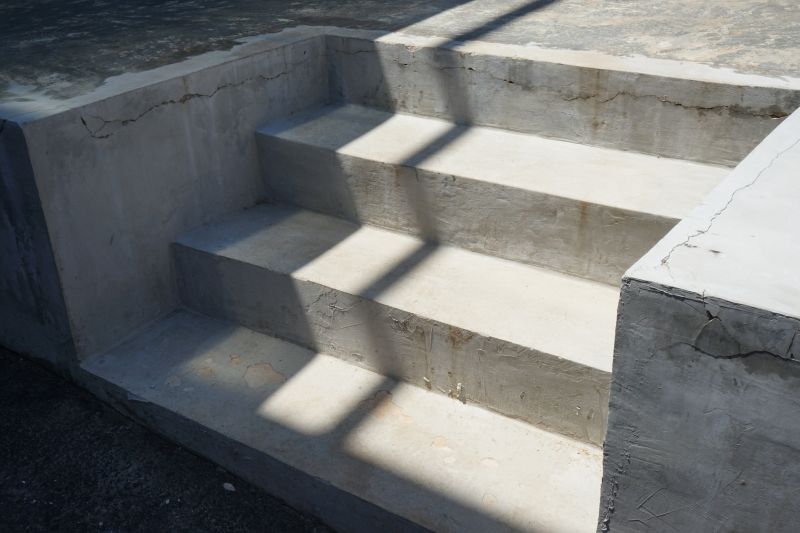


When searching for information about ADA considerations for commercial concrete walks and steps, most people are looking to understand how accessibility requirements impact the design, construction, and renovation of outdoor walkways and entry points. These searches often relate to projects where businesses or property owners want to ensure their outdoor spaces are accessible to everyone, including individuals with mobility challenges. The focus is typically on making sure that pathways and steps meet ADA standards for slope, width, surface smoothness, and the presence of ramps or handrails. Property owners might also be exploring how to modify existing concrete features to improve compliance or prevent potential accessibility issues.
ADA considerations for commercial concrete walks and steps are directly connected to a variety of property types. Retail stores, office buildings, restaurants, and public facilities frequently come up in these discussions, as they are required to provide accessible entrances and pathways for customers, employees, and visitors. Multi-unit residential complexes, parking lots, and healthcare facilities also need to address ADA standards when designing or upgrading their outdoor access points. These properties often require careful planning to incorporate features like accessible ramps, curb cuts, and tactile warning surfaces that meet ADA guidelines, ensuring compliance and safe navigation for all users.
Addressing ADA considerations for commercial concrete walks and steps involves understanding specific design criteria that promote accessibility. For example, the slope of ramps should be gentle enough for wheelchair users, typically not exceeding a 1:12 ratio, and steps must include appropriate handrails and contrasting strips for visibility. Surface smoothness and slip resistance are also crucial to prevent accidents. Local service providers specializing in ADA concrete walks and steps installation can assess existing features or help design new ones that meet all necessary standards. These professionals can handle tasks such as leveling uneven surfaces, installing ramps, or adding tactile indicators, making outdoor spaces safer and more accessible.
For property owners planning renovations or new construction, working with local contractors experienced in ADA considerations for commercial concrete walks and steps ensures that accessibility is integrated from the start. These experts can evaluate the property’s layout, identify potential barriers, and recommend solutions that comply with ADA guidelines. Whether it’s installing a wheelchair-accessible ramp, widening walkways, or adding textured surfaces for better traction, local pros can help create outdoor environments that are functional, compliant, and welcoming. Connecting with knowledgeable service providers is a practical step toward ensuring outdoor accessibility meets all relevant standards and enhances the usability of commercial properties.
Accessible Parking Lot Improvements - local contractors can help design and install accessible parking areas that meet ADA standards, ensuring proper slopes and signage for commercial properties.
Commercial Ramp Installation - specialists in ADA-compliant ramps can create smooth, safe transitions for pedestrians, complementing concrete walkways and steps at business sites.
Sidewalk Repair and Replacement - experienced service providers can assess and upgrade existing sidewalks to ensure ADA compliance with proper width, slope, and surface conditions.
Outdoor Staircase Modifications - local pros can modify or add features like handrails and tactile warnings to steps, enhancing safety and accessibility for all users.
Curb Ramp Construction - experts can install curb ramps that provide seamless access points, adhering to ADA guidelines for commercial entrances and pathways.
Landscape and Hardscape Planning - professionals can integrate accessible pathways into broader site designs, ensuring ADA considerations are incorporated into overall project planning.

When evaluating contractors for ADA considerations for commercial concrete walks and steps, experience with similar projects is a key factor. Homeowners should inquire about the contractor’s background in installing accessible pathways and steps that comply with ADA standards. A contractor with a proven track record in this area is more likely to understand the specific requirements, such as proper slope, tactile indicators, and slip-resistant surfaces, ensuring the completed work meets accessibility needs. Reviewing portfolios or project examples can help determine whether a service provider has successfully handled comparable projects, providing confidence in their ability to deliver quality results.
Clear written expectations are essential when comparing local contractors for ADA concrete walks and steps installation. It’s important to discuss the scope of work upfront, including details about the design, materials, and compliance standards. Service providers should be able to provide detailed proposals or written estimates that outline what will be included in the project, helping to prevent misunderstandings later on. Having a transparent plan also allows homeowners to compare how each contractor approaches the job and whether their expectations align with the project’s accessibility goals.
Reputable references and good communication are vital indicators of a dependable contractor. When considering local service providers, homeowners should seek out reviews or testimonials from previous clients, especially those who had similar ADA compliance projects. Open and responsive communication throughout the process can help clarify questions and ensure that accessibility considerations are prioritized. A contractor who listens carefully, provides clear explanations, and maintains ongoing dialogue is more likely to deliver a successful project that meets ADA standards for commercial concrete walks and steps.
Property owners often search for ADA considerations for commercial concrete walks and steps when they are planning practical projects around their homes and businesses. Local pros provide ADA Concrete Walks and Steps Installation services for everyday jobs and straightforward project options.
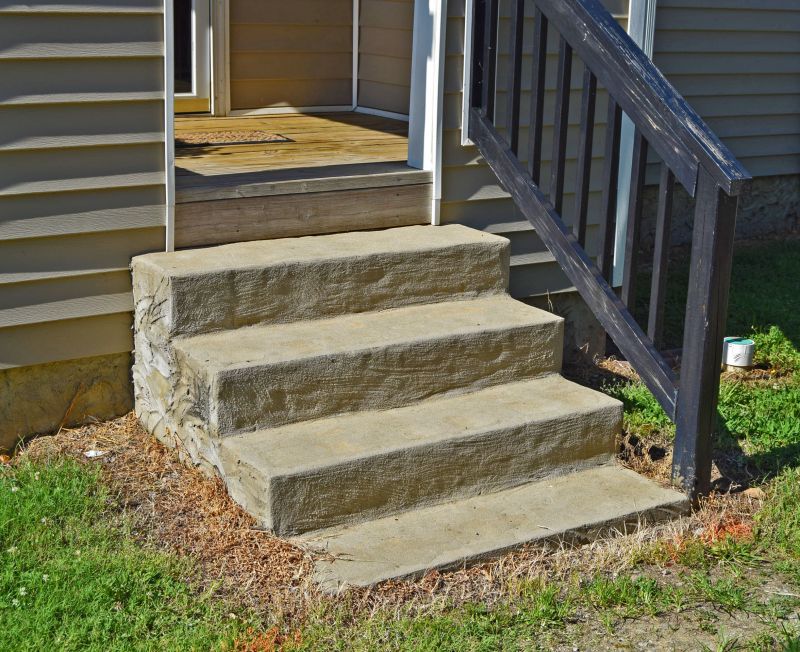

Understanding ADA considerations for commercial concrete walks and steps is essential for property owners aiming to ensure accessibility and compliance. When planning or renovating outdoor pathways, simple design features like gentle slopes, appropriate curb ramps, and even surface textures can make a significant difference for individuals with mobility challenges. Local contractors experienced in ADA-compliant installations can help evaluate existing walkways or design new ones that meet accessibility standards, making it easier for everyone to navigate the property safely and comfortably.
For property owners in the area, seeking out local service providers for ADA concrete walks and steps installation offers a practical way to address accessibility needs. These professionals can assist with installing or modifying concrete surfaces to include accessible ramps, landing areas, and step designs that adhere to recommended guidelines. Engaging with local contractors ensures that the project aligns with the specific requirements of the property and the community, helping to create an inclusive environment while maintaining the durability and functionality of the concrete features.
What are ADA considerations for commercial concrete walks and steps? ADA considerations include ensuring that walks and steps are accessible, with proper slope, width, and surface texture to accommodate all users, including those with mobility impairments.
How do local contractors ensure ADA compliance when installing concrete walks and steps? Local contractors follow ADA guidelines by designing and constructing features like ramps, tactile warnings, and appropriate handrails to meet accessibility standards.
Can ADA requirements impact the design of commercial concrete steps? Yes, ADA requirements may necessitate features such as gentle slopes, uniform riser heights, and the addition of handrails to make steps accessible for everyone.
What features should I look for in ADA-compliant concrete walkways and steps? Look for features like level landings, curb ramps, non-slip surfaces, and proper edge protection, all of which are typically incorporated by local service providers.
Why should I hire professionals familiar with ADA considerations for concrete installations? Professionals knowledgeable about ADA considerations can ensure that concrete walks and steps meet accessibility standards, reducing the risk of compliance issues and enhancing usability for all users.
Accessible Ramp Design - Incorporating gentle slopes and wide landings ensures commercial walks meet ADA standards for ease of access and safety. Local contractors can help plan and install ramps that seamlessly integrate with existing pathways.
Proper Step Dimensions - Ensuring steps have consistent height and depth makes them safer for all users, and local service providers can customize step designs to comply with ADA guidelines.
Tactile Warning Surfaces - Adding textured surfaces at entrances and transitions alerts visually impaired individuals to changes in elevation or direction, with local pros capable of installing these features effectively.
Clear Pathway Widths - Maintaining unobstructed, wide walkways allows for wheelchair accessibility and smooth navigation, with local contractors able to design and build compliant concrete walks and steps.
If you are thinking about ADA considerations for commercial concrete walks and steps for a property, this guide is meant to help you understand this topic, the typical project types, and how different options might fit your plans.
When you are ready, you can use the quote form on this page to share a few details about your project. From there, local pros can review the basics and follow up with options that match what you have in mind.